Capacity
Clear seat counts and cohort notes help buyers adapt the page to real workshop limits.
Clay rituals
Small-group sessions are presented as named studio rituals: clear, warm, tactile, and tied to the Fire Ledger so guests understand what happens after they leave.
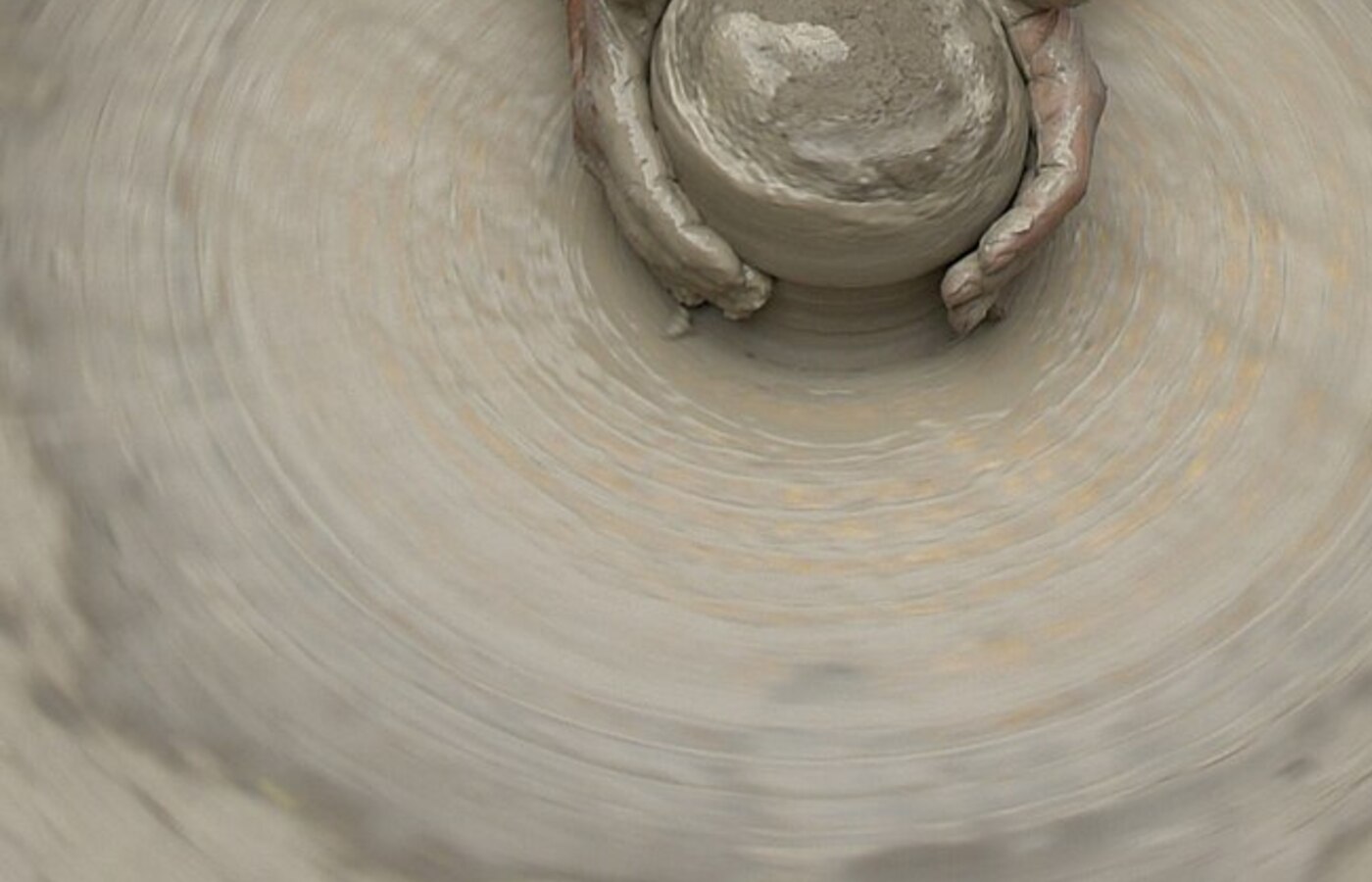 Class pages now show the tactile studio moment before the schedule.
Buyer proof
The page gives a studio owner a complete class-selling pattern: a hero promise, real process photography, named rituals, capacity notes, firing expectations, pickup rhythm, and FAQs.
Clear seat counts and cohort notes help buyers adapt the page to real workshop limits.
Every class explains what happens after the visitor leaves: drying, bisque, glaze, and pickup.
Maker-table language, repair suppers, and glaze drops keep the pottery niche unmistakable.
Beginner · 2 hours
Eight seats, one shared table, one honest first bowl. Guests finish by pressing the KilnCraft stamp into a clay pickup card.
Course · 6 weeks
Wheel rhythm, trimming, handles, glaze tests, and a visible firing calendar so students can track each piece from damp shelf to pickup.
Weekend · focused
A slow form study with generous curves, patient trimming, and a limited Smoke Rim glaze test for the final shelf.
Private · table gathering
Hand-building, shared food prompts, cracked-mug repair stories, and tactile table pieces made for conversation.
Firing calendar
Most pieces need to dry slowly, then move through bisque, glaze, and final firing. Plan on a 3–5 week pickup window.
The demo experience is structured around a maker table, seasonal glaze drops, visible firing dates, object cards, and warm imperfect language — not plain “book a workshop” copy.